Mastering the White vs Colored Kitchen Dilemma
Navigating the Palette Choice
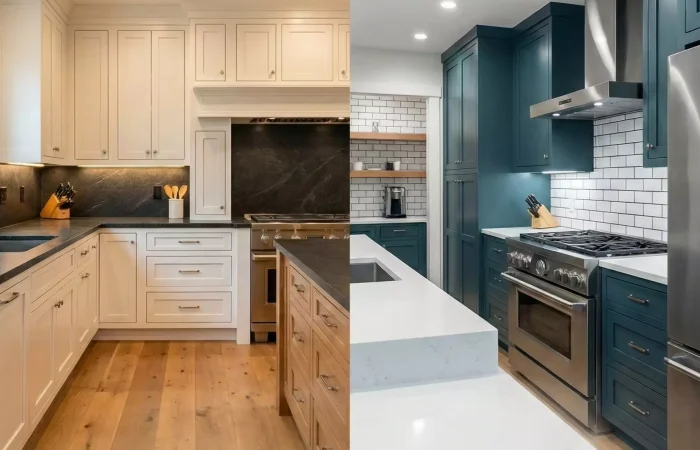
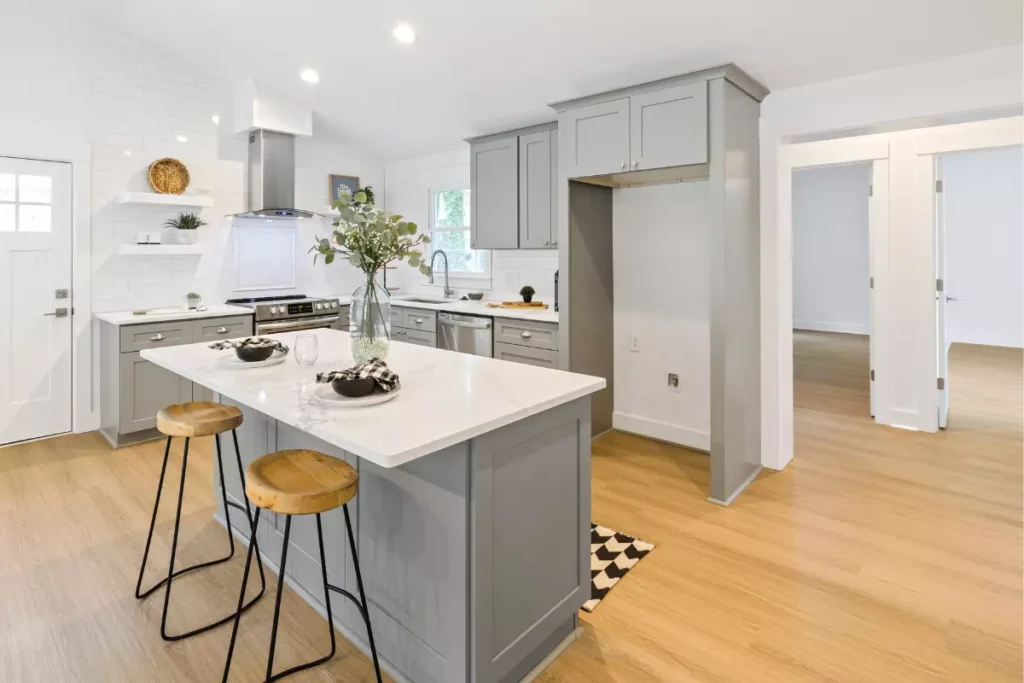
Deciding the palette in the white vs colored kitchen debate is the first step in planning a complete renovation or a simple makeover. This foundational choice impacts not just the aesthetic, but the perceived space and cleaning routines. We analyze the advantages of both approaches so you can make an informed decision.
The Advantage of White: Luminosity and Breadth
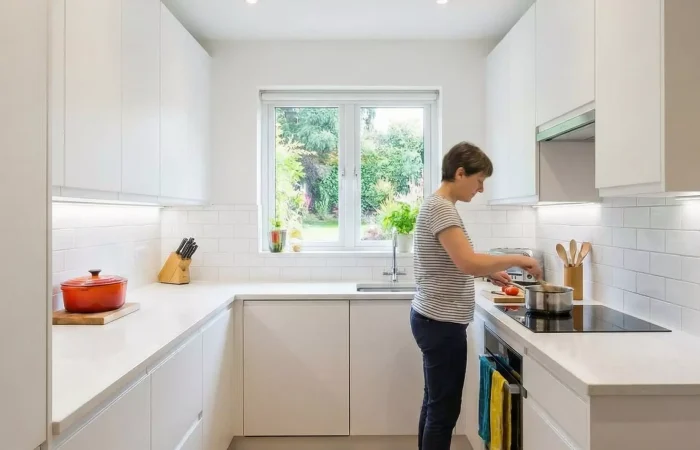
In the comparison, white wins for limited spaces with irregular layouts because it creates an optical illusion of greater spaciousness. White is a symbol of luminosity that makes the area feel wider, especially when using smooth, matte, handleless cabinets.
The Advantage of Color: Zone Definition
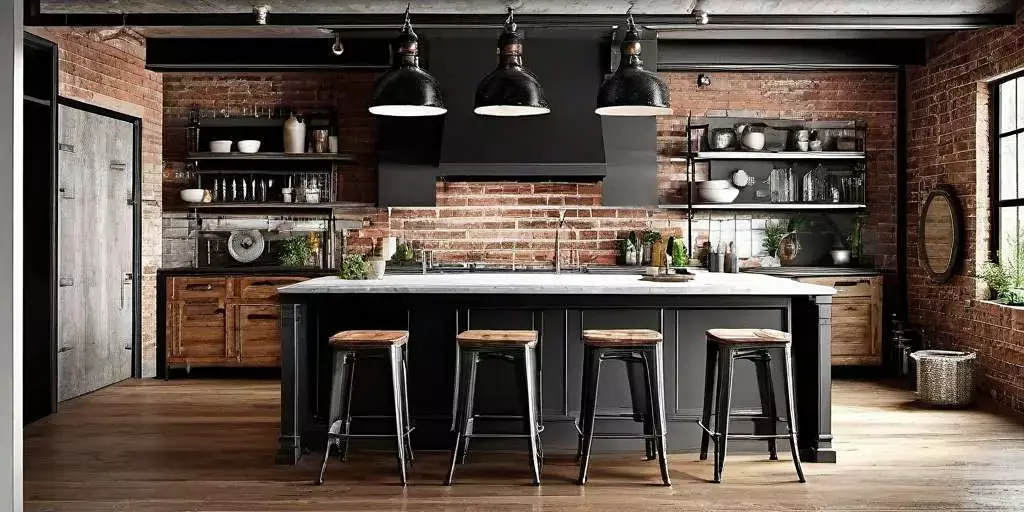
For open-concept homes, opting for dark furniture fronts creates a sophisticated visual separation that white doesn’t achieve. This visible border establishes the kitchen as a distinct and elegant focal point within a larger shared living space.
El Palma
The Practical Factor: Resistance to Wear
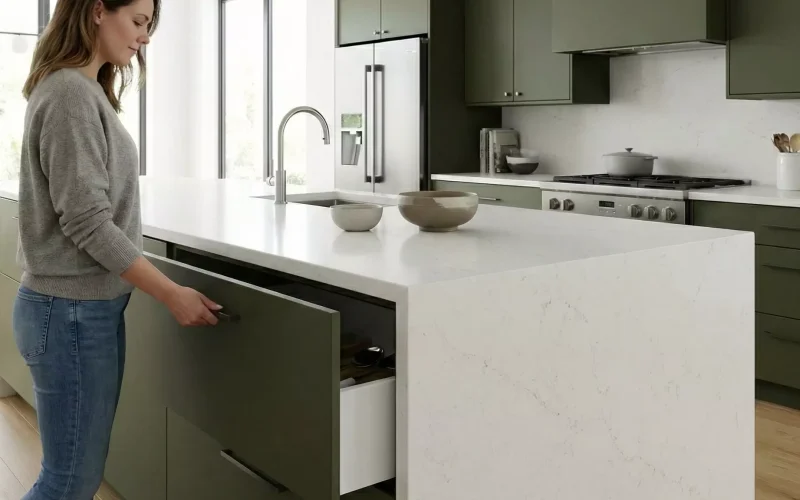
A key difference is maintenance; colored kitchens generally offer superior resistance to daily visual wear and tear compared to pristine white surfaces. Matte finishes in tones like olive green are particularly effective at camouflaging fingerprints and smudges between deep cleanings.
Lighting Considerations for Each Style
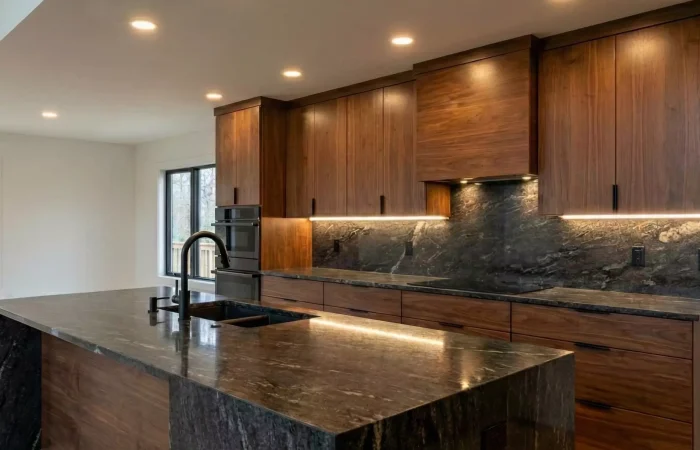
The heart of Nordic kitchen design lies in the perfect balance between the luminosity of white surfaces and the organic warmth of wood. White reflects light, visually expanding the space, while wooden elements prevent the environment from feeling cold or clinical, adding essential texture and comfort. To complete this look with sophisticated depth, dark granite countertops create a stunning contrast, grounding the airy space with durable elegance that enhances both functionality and style
Balancing the Palette with Surfaces
To avoid a clinical feel in a white kitchen, warmth is added with wooden floors or by selecting contrasting surfaces from Countertops Specialist, such as granite or quartz. In colored kitchens, elements like subway tiles or stainless steel appliances complement the modern design with a retro touch.